VPN Device Limits Compared: How Many Devices Each VPN Covers (2026)
Researched and drafted with AI assistance from published sources; edited and published by NorwegianSpark SA.
Affiliate disclosure: This article contains affiliate links. If you click a link and buy a subscription, we may earn a commission at no cost to you. Paid placements are labelled as sponsored — read the full disclosure.
Most big VPNs let you connect 10 devices at the same time. Surfshark and Private Internet Access have no cap at all, ExpressVPN allows 10, 12 or 14 depending on the plan, Mullvad allows 5, and Proton VPN's free plan allows 1. In every case the limit counts devices connected at the same moment, not devices with the app installed — and a VPN running on your router normally uses one slot for every device behind it.
The numbers below come from each provider's own pricing, plan or help pages. Most were read on 7 November 2026; where a provider's page could not be read that day, the figure carries the date we last checked it. Device limits change less often than prices, but they do change, so the provider's own page is always the final word.
VPN Device Limits at a Glance
- Surfshark: unlimited simultaneous devices on every plan (a Surfshark free trial, where offered, covers 3 devices until it ends). Read 7 November 2026.
- Private Internet Access (PIA): unlimited devices simultaneously on one subscription. Read 7 November 2026.
- ExpressVPN: 10 simultaneous devices on Basic, 12 on Advanced and 14 on Express Pro. Read 7 November 2026.
- Proton VPN: 10 devices at a time on VPN Plus and Proton Unlimited; 1 device on Proton Free. Read 7 November 2026.
- PureVPN: up to 10 devices, with an option for more described on its order page. Read 7 November 2026.
- NordVPN: 10 devices at the same time on one account, with a router counting as one. From NordVPN's help centre (August 2026) and pricing page (23 October 2026); NordVPN's site did not load for our check on 7 November.
- Mullvad: up to 5 devices per account. Read 7 November 2026.
So the honest summary is that 10 is the industry default, a few providers remove the cap entirely, and a few go lower. If you are choosing on device count alone, the decision is usually between a 10-device provider plus a router, and an unlimited one.
For the device count next to each provider's price, see VPN prices compared, read from 22 pricing pages on 20 November 2026.
What the Limit Actually Counts
A VPN device limit is a limit on simultaneous connections. It is not a licence count. You can install the app on a phone, two laptops, a tablet and a smart TV and stay well inside a five-device limit, as long as no more than five of them are connected at the same time.
NordVPN's help centre spells this out for its own service — up to 10 devices connected to one account at the same time — and its guidance when you hit the limit is to count the devices you have connected and disconnect the ones you are not using. That model applies across the industry: the limit bites when devices stay connected all day, such as a desktop that never disconnects, a TV box or a phone with an always-on VPN setting.
This is why most households overestimate what they need. Count the devices that are realistically connected at the same moment during your busiest hour, not the devices you own. For many couples that number is three or four.
Why You Can Hit a Limit Before You Reach It
Two documented NordVPN behaviours explain most "I only have four devices and it says the limit is reached" complaints, and similar rules exist elsewhere.
First, NordVPN's documentation says several devices on the same server must each use a different protocol, which caps how many of your devices one server can carry far below ten. If every device in the house picked the same recommended server, they collide. Spreading devices across servers fixes it.
Second, NordVPN's Session Limit Reached error is triggered by too many connection attempts as well as by too many devices. An app reconnecting in a loop, or someone pressing connect repeatedly, can trip it while you are under the limit; NordVPN's own fix is to wait ten minutes before a single reconnect.
Our NordVPN multiple-devices tutorial walks through both rules with NordVPN's exact wording, and is the page to read if you are seeing that error now.
The Router Slot: One Connection for the Whole Network
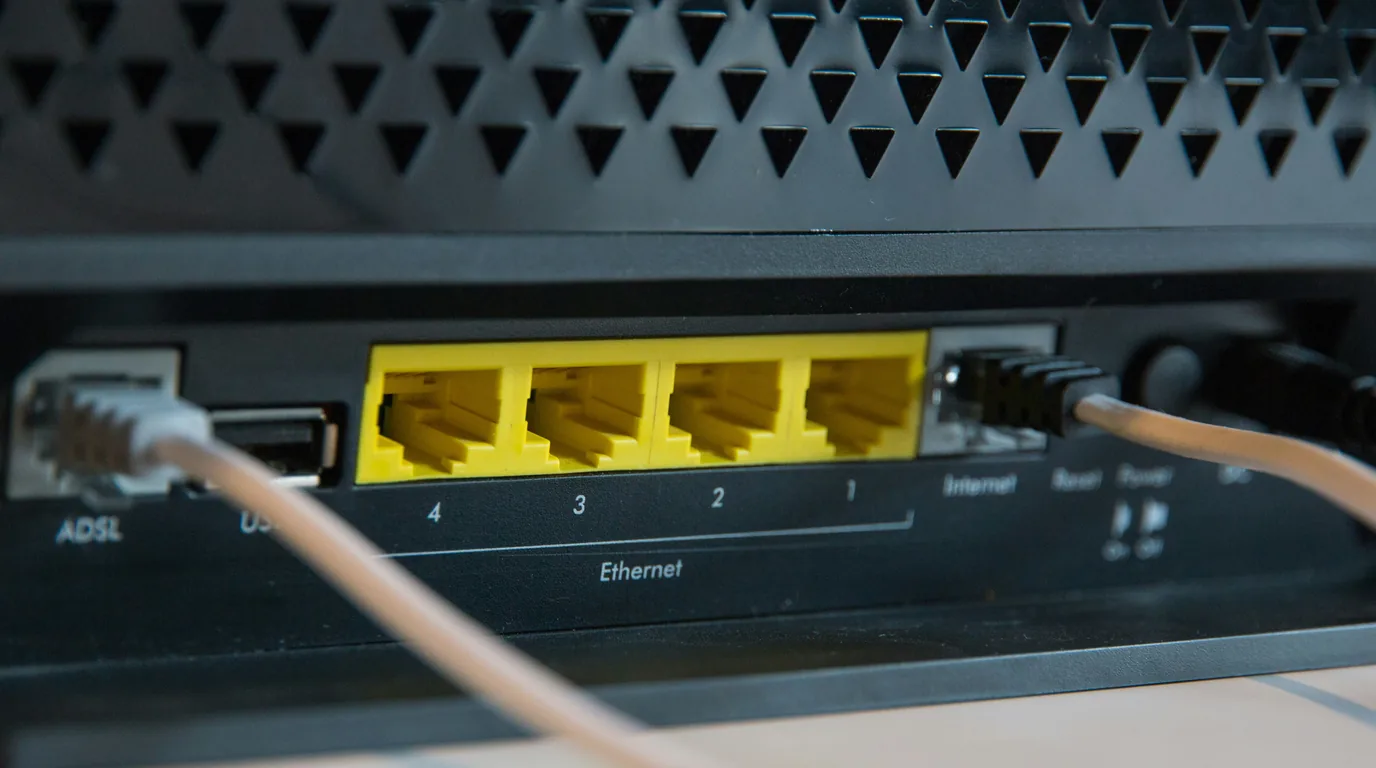
The single most useful fact about device limits is that a VPN configured on your router normally counts as one connection while protecting every device behind it. NordVPN says so directly in its help centre, and Surfshark's own product page suggests setting the VPN up on the router to protect all devices at once.
That one slot covers the devices that cannot run a VPN app at all — most smart TVs, games consoles, streaming sticks without app support and smart-home kit — and frees the rest of your allowance for phones and laptops that leave the house.
The trade-offs are real. Everything behind the router exits in the same country, which can confuse banking or local services; many routers supplied by internet providers cannot run a VPN client at all; and changing country means changing the router settings rather than tapping a button. Our VPN on a router vs on each device guide weighs this properly, and the router setup tutorial covers the procedure.
Unlimited Devices: What It Does and Does Not Mean
Unlimited simultaneous connections, as Surfshark and PIA offer, remove the counting problem altogether: every phone, laptop, tablet and TV in the house can stay connected all the time, with no router workaround.
What "unlimited" does not tell you is whether the subscription may be shared outside your household. Device limits and account-sharing rules are different things, and a provider's terms of service — not its pricing page — set the second. We have not reviewed each provider's terms for this article, so if you plan to share one account with relatives in other homes, read the terms first.
It also does not change the speed of any one device. A VPN connection's speed depends on the server, the distance and your own line, not on how many other devices share the account. For a household that simply wants every device covered, though, unlimited is the cleanest answer — see our Surfshark review for the rest of what that subscription includes, or check Surfshark's current plans.
Free Plans and Device Limits
Free VPN plans tend to be the strictest on devices. Proton Free, the free plan we consider trustworthy, allows one device at a time, with no data or time limit but servers in 10 randomly selected countries and no streaming or P2P. That is fine for one laptop on public Wi-Fi and not a household solution.
If you are weighing whether to pay, our Proton VPN Free vs paid page shows exactly where the free plan runs out, and the free vs paid VPN guide explains why most other free VPNs are a poor trade.
Which Limit Fits Your Household?
- One person, phone and laptop: any provider works; even Mullvad's 5 leaves room. Pick on privacy and price instead.
- A couple or small family: 10 devices (NordVPN, Proton VPN Plus, ExpressVPN Basic, PureVPN) is usually plenty, especially with the router taking the TVs and consoles. See NordVPN's plans or Proton VPN's.
- A large family, shared house or lots of always-on devices: an unlimited provider such as Surfshark or PIA saves you counting.
- You need devices in different countries at once: per-device apps rather than a router, because a router exits in one country for everything behind it.
- A business team: consumer device limits are the wrong tool; look at business VPNs with per-user management — our VPN for business hub collects those guides.
And before you upgrade for more devices, check whether the router slot already solves it. It is free if your router supports a VPN client.
Sources
Read on 7 November 2026: surfshark.com/pricing (unlimited devices; free trial limited to 3 devices); surfshark.com/one (router setup to protect all devices); privateinternetaccess.com/buy-vpn-online (unlimited devices simultaneously); expressvpn.com/order (10, 12 and 14 simultaneous devices on Basic, Advanced and Express Pro); protonvpn.com/pricing (10 devices on VPN Plus and Proton Unlimited, 1 on Proton Free); protonvpn.com/free-vpn (free plan terms); purevpn.com/order (up to 10 devices, option for more); mullvad.net/en/pricing (up to 5 devices). NordVPN: the 10-device figure, the router slot, the same-server protocol rule and the Session Limit Reached cause and ten-minute wait are from NordVPN's help-centre articles read in August 2026, and the 10-device figure was re-confirmed on nordvpn.com/pricing on 23 October 2026; nordvpn.com refused our automated request on 7 November 2026, so it was not re-read that day.
Frequently Asked Questions
How many devices can I use a VPN on?
With most major VPNs, 10 at the same time — NordVPN, Proton VPN Plus, PureVPN and ExpressVPN Basic all sit at 10. Surfshark and Private Internet Access have no limit, ExpressVPN's higher plans allow 12 or 14, Mullvad allows 5 and Proton VPN Free allows 1. The limit counts devices connected at once, not apps installed.
Which VPN has unlimited devices?
Surfshark and Private Internet Access both state unlimited simultaneous connections on one subscription. Surfshark's free trial, where offered, is the exception: it covers 3 devices until the trial ends.
Does a router count as one device on a VPN?
Usually yes. NordVPN says a router uses only one device slot while protecting every device on the network, and Surfshark suggests router setup to cover all devices at once. Check that your router supports a VPN client first — many supplied by internet providers do not.
How many devices does Proton VPN Free allow?
One device at a time. Proton VPN Plus and Proton Unlimited raise that to 10.
How many devices does ExpressVPN allow?
ExpressVPN's order page lists 10 simultaneous devices on Basic, 12 on Advanced and 14 on Express Pro (read 7 November 2026).
Also worth comparing
Other providers we recommend for this topic. Sponsored links — we may earn a commission at no extra cost to you.
VPNTex is published by NorwegianSpark SA (Org no: 834 984 172). We may earn commissions on qualifying purchases via affiliate links. Full disclosure · Privacy policy